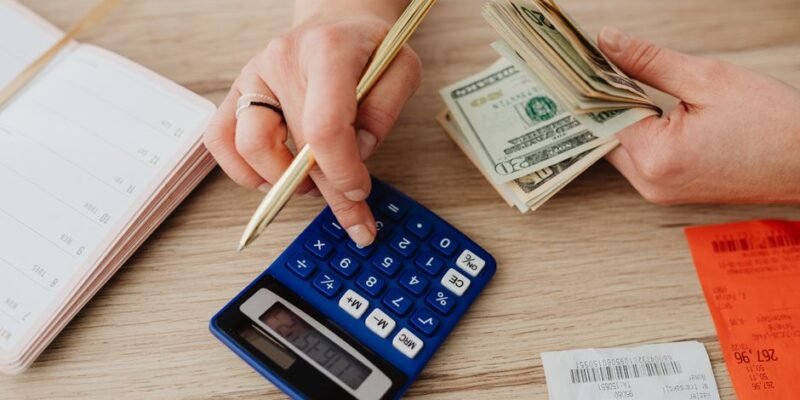
In an era where financial literacy is more crucial than ever, mastering smart budgeting techniques can significantly boost your savings potential. With the cost of living continually rising and unexpected expenses becoming the norm, the ability to manage your finances effectively can make all the difference in achieving your financial goals. This blog post explores practical budgeting strategies designed to help you maximize your savings, ensuring both short-term and long-term financial stability.
Understanding the Importance of Budgeting
Budgeting is not just about tracking expenses; it’s a vital tool that allows you to take control of your financial future. By creating a budget, you can:
- Identify spending patterns
- Set realistic financial goals
- Allocate funds to savings and investments
- Prepare for unexpected expenses
In 2026, with inflation rates fluctuating and economic uncertainty looming, developing a solid budgeting plan can help you navigate financial challenges with confidence.
Smart Budgeting Techniques
1. The Zero-Based Budgeting Method
The zero-based budgeting method is one of the most effective approaches to budgeting. This technique requires you to allocate every dollar of your income to expenses, savings, or debt repayment until your budget reaches zero. This method encourages conscious spending and helps you prioritize your financial goals. To implement this technique:
- List all sources of income.
- Identify all monthly expenses, including fixed and variable costs.
- Assign every dollar a specific purpose.
- Adjust as necessary to ensure the budget balances to zero.
2. The 50/30/20 Rule
The 50/30/20 rule is a straightforward budgeting framework that divides your after-tax income into three categories: needs, wants, and savings. This method can simplify decision-making and ensure a balanced approach to spending and saving. Here’s how it works:
- 50% for needs: Essentials like housing, groceries, and transportation.
- 30% for wants: Discretionary spending, such as dining out and entertainment.
- 20% for savings: Contributions to savings accounts, investments, or debt repayment.
This rule can be a great guideline for individuals and families looking to optimize their budget without overcomplicating the process.
3. Utilize Budgeting Apps and Tools
In the digital age of 2026, leveraging technology can enhance your budgeting experience. Numerous apps are available to help you track your spending, set budgets, and monitor your savings goals. Here are some popular options:
- Mint: A comprehensive app that tracks all your finances in one place.
- You Need a Budget (YNAB): Focuses on helping you allocate every dollar effectively.
- EveryDollar: A user-friendly app designed for zero-based budgeting.
These tools can make budgeting more engaging and accessible, allowing you to visualize your financial progress in real-time.
4. Regularly Review and Adjust Your Budget
Creating a budget is not a one-time task; it requires ongoing evaluation and adjustment. As your financial situation changes—due to income fluctuations, lifestyle changes, or unexpected expenses—it’s essential to revisit your budget regularly. Consider the following tips for effective budget management:
- Set a monthly review date to assess your spending and savings.
- Adjust your budget based on changes in income or expenses.
- Celebrate milestones, such as meeting your savings goals, to stay motivated.
Conclusion
Maximizing your savings potential through smart budgeting techniques is an achievable goal in 2026. By adopting methods like zero-based budgeting or the 50/30/20 rule, utilizing budgeting apps, and regularly reviewing your financial plans, you can take control of your finances and work towards a more secure financial future. Remember, the journey to financial wellness is a marathon, not a sprint. By implementing these techniques consistently, you’ll find yourself better equipped to handle life’s financial challenges while building a solid savings foundation.

















Comments