

In the ever-evolving landscape of investing, understanding market trends is crucial for making informed and strategic decisions. Whether you are a seasoned investor or just starting out, analyzing market trends can significantly enhance your investment strategy and help you navigate the complexities of the financial world. In this post, we will explore effective methods for analyzing market trends that can lead to smarter investment decisions, especially in the context of the current economic environment.
Understanding Market Trends
Market trends refer to the general direction in which a market or asset’s price is moving over time. These trends can be categorized into three main types:
- Uptrends: Characterized by rising prices over time, indicating strong demand and positive investor sentiment.
- Downtrends: Marked by falling prices, suggesting bearish market conditions and declining investor confidence.
- Sideways Trends: Occur when prices move within a narrow range, indicating market indecision.
Understanding these trends is essential for timing your investments effectively and maximizing returns while minimizing risks.
Key Methods for Analyzing Market Trends
1. Technical Analysis
Technical analysis involves examining historical price data and trading volumes to forecast future price movements. By employing various tools and techniques, investors can identify patterns and trends that may signal potential buying or selling opportunities. Here are some key components of technical analysis:
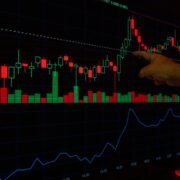
- Charts: Line charts, candlestick charts, and bar charts are essential for visualizing price movements and identifying trends.
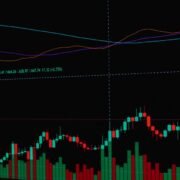
- Indicators: Tools like Moving Averages (MA), Relative Strength Index (RSI), and Bollinger Bands can provide insights into market momentum and potential reversals.
- Volume Analysis: Analyzing trading volume helps confirm trends and identify potential breakouts or reversals.
2. Fundamental Analysis
Fundamental analysis focuses on evaluating a company’s financial health, industry position, and economic factors. By examining financial statements, economic indicators, and market conditions, investors can gain insights into the intrinsic value of an asset. Key elements include:
- Financial Statements: Review income statements, balance sheets, and cash flow statements to assess profitability, debt levels, and overall financial stability.
- Economic Indicators: Keep an eye on GDP growth, unemployment rates, and inflation data that can influence market conditions.
- Industry Trends: Understanding the competitive landscape and market demand can provide context for a company’s performance.
3. Sentiment Analysis
Sentiment analysis involves gauging the mood of the market by evaluating news articles, social media trends, and investor sentiment surveys. This qualitative approach can be useful in understanding how external factors impact market behavior. Consider the following:
- News Monitoring: Stay updated on economic news, corporate announcements, and geopolitical events that may influence market sentiment.
- Social Media Trends: Platforms like Twitter and Reddit can provide real-time insights into investor opinions and trends.
- Surveys and Polls: Regularly review investor sentiment surveys to gauge the overall market mood.
Utilizing Data and Tools for Market Analysis
In 2026, technology plays a pivotal role in market analysis. Numerous tools and platforms are available to assist investors in analyzing trends more effectively:
- Investment Apps: Platforms like Robinhood, E*TRADE, and TD Ameritrade offer powerful analytical tools and real-time data.
- Financial News Websites: Websites like Bloomberg and CNBC provide timely updates and in-depth analysis of market trends.
- Data Analytics Software: Tools like Tableau and Excel can be used to visualize and analyze large datasets for deeper insights.
Conclusion
Analyzing market trends is an essential skill for any investor looking to make informed investment decisions. By leveraging technical and fundamental analysis, as well as sentiment analysis, investors can gain a comprehensive understanding of market dynamics. In the fast-paced environment of 2026, utilizing modern tools and technologies can further enhance your ability to analyze trends effectively. Whether you are looking to enter the market or optimize your existing portfolio, a solid grasp of market trends can empower you to make smarter, data-driven investment choices.

























Comments