

The world of investing is inherently dynamic, influenced by a myriad of factors that can shift overnight. As we navigate through 2026, global economic shifts are making a significant impact on investment strategies across the board. Investors, whether they are seasoned professionals or newcomers, must adapt to these changes to maximize their returns and mitigate risks. Understanding the underlying global economic trends is crucial for making informed decisions in the current investment landscape.
Understanding Global Economic Shifts
Global economic shifts refer to changes in economic policies, market trends, and geopolitical events that influence the overall economic environment. These shifts can arise from various sources, including changes in government policies, technological advancements, and evolving consumer behaviors. In 2026, several key factors are shaping investment strategies worldwide.
Technological Advancements
The rapid pace of technological advancement continues to disrupt traditional industries and create new investment opportunities. Emerging technologies such as artificial intelligence, blockchain, and renewable energy are not only transforming sectors but also redefining how investors approach the market. In 2026, investors are increasingly looking at tech-driven companies that harness these advancements to enhance their profitability.
- Artificial Intelligence: Companies leveraging AI for efficiency and innovation are attracting significant investment.
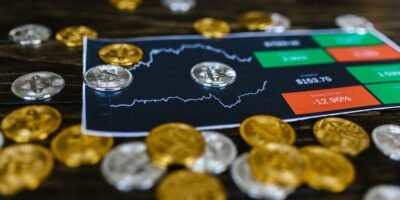
- Blockchain Technology: The rise of decentralized finance (DeFi) is influencing investment in cryptocurrencies and blockchain startups.
- Renewable Energy: As the world prioritizes sustainability, investments in green technologies are on the rise.
Geopolitical Factors
Geopolitical events, such as trade tensions, conflicts, and policy changes, can have immediate effects on global markets. In 2026, investors must remain vigilant about international relations and their potential impact on investment portfolios. The ongoing shifts in policies, especially regarding trade agreements and tariffs, can create volatility in various sectors.
- Trade Relations: Changes in trade agreements between major economies can influence stock prices and commodity markets.
- Political Stability: Countries with stable political environments tend to attract more foreign investment.
- Sanctions and Regulations: Investors must consider the implications of sanctions on specific industries or countries.
Adapting Investment Strategies
Given the current global economic climate, investors must adapt their strategies to align with these shifts. Here are some effective approaches to consider in 2026:
Diversification of Investments
Diversifying investment portfolios is crucial in mitigating risks associated with economic volatility. By spreading investments across various asset classes, sectors, and geographies, investors can protect their portfolios from downturns in any single area. In 2026, consider the following diversification strategies:
- Equities: Invest in a mix of growth and value stocks across different sectors.
- Fixed Income: Include government and corporate bonds to provide stability to your portfolio.
- Alternative Investments: Explore opportunities in real estate, commodities, and hedge funds.
Focus on Sustainable Investing
As global awareness of climate change and social responsibility rises, sustainable investing is becoming more mainstream. In 2026, investors are increasingly looking for companies that prioritize environmental, social, and governance (ESG) factors. This not only aligns with personal values but also positions investors to benefit from the long-term growth of sustainable companies.
- ESG Funds: Invest in mutual funds or ETFs that focus on companies with strong ESG practices.
- Impact Investing: Seek out opportunities that generate positive social or environmental impacts alongside financial returns.
Conclusion
In 2026, the impact of global economic shifts on investment strategies is profound and multifaceted. Investors must remain agile, adjusting their approaches to capitalize on technological advancements and navigate geopolitical uncertainties. By embracing diversification and sustainable investing, individuals can position themselves for success in a rapidly evolving landscape. As the global economy continues to change, staying informed and adaptable is the key to achieving long-term investment goals. With a keen understanding of these shifts, investors can make strategic decisions that not only secure their financial future but also contribute positively to the world.




















Comments